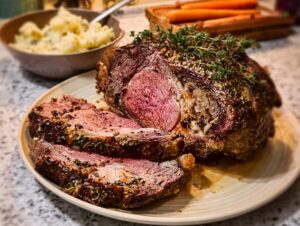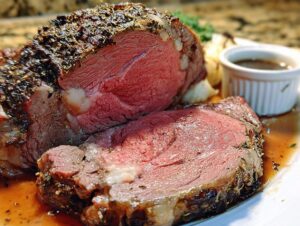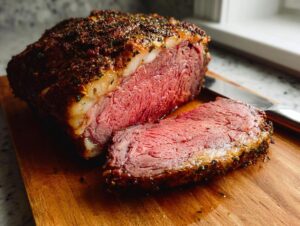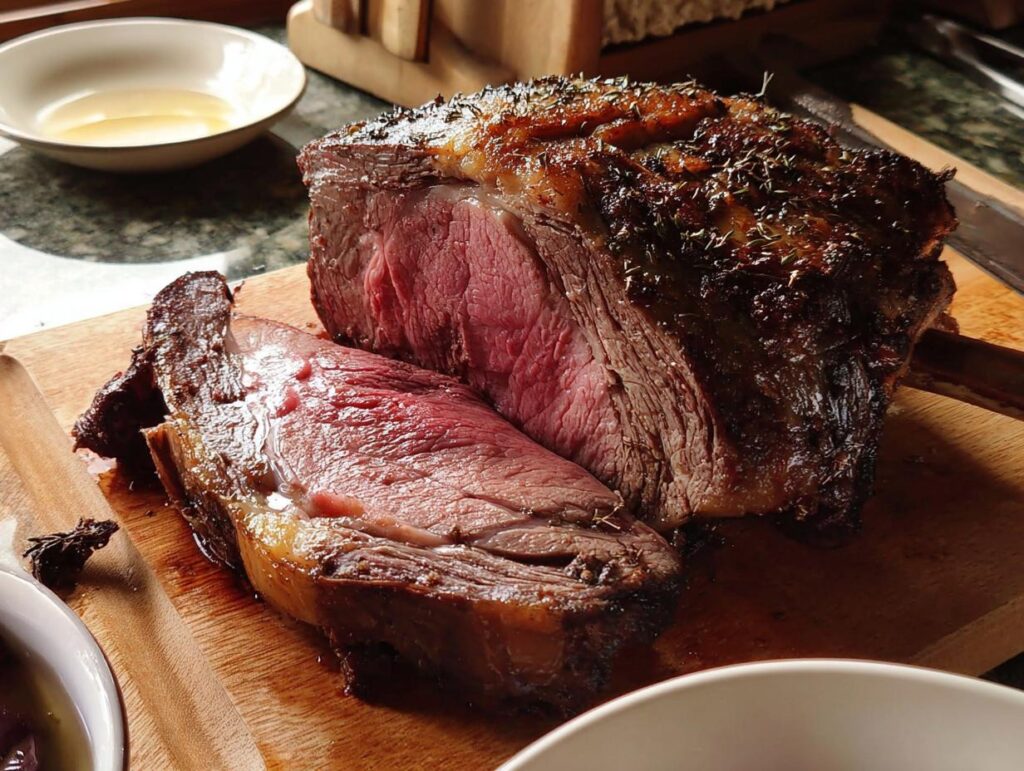
Okay, deep breaths! Cooking a prime rib might sound super fancy, maybe even a little scary, but trust me, it’s totally doable. I remember my very first time attempting this glorious roast for a holiday dinner – I was a bundle of nerves, hovering over the oven with a thermometer like it was my job! But that incredible aroma filling my kitchen, and seeing that perfect rosy center? Pure magic. It taught me that the Ultimate Prime Rib Guide isn’t about complicated techniques, it’s about patience and caring about the details. This guide is here to show you just how approachable this showstopper can be, turning that intimidation into pure kitchen confidence. Let’s make something delicious!
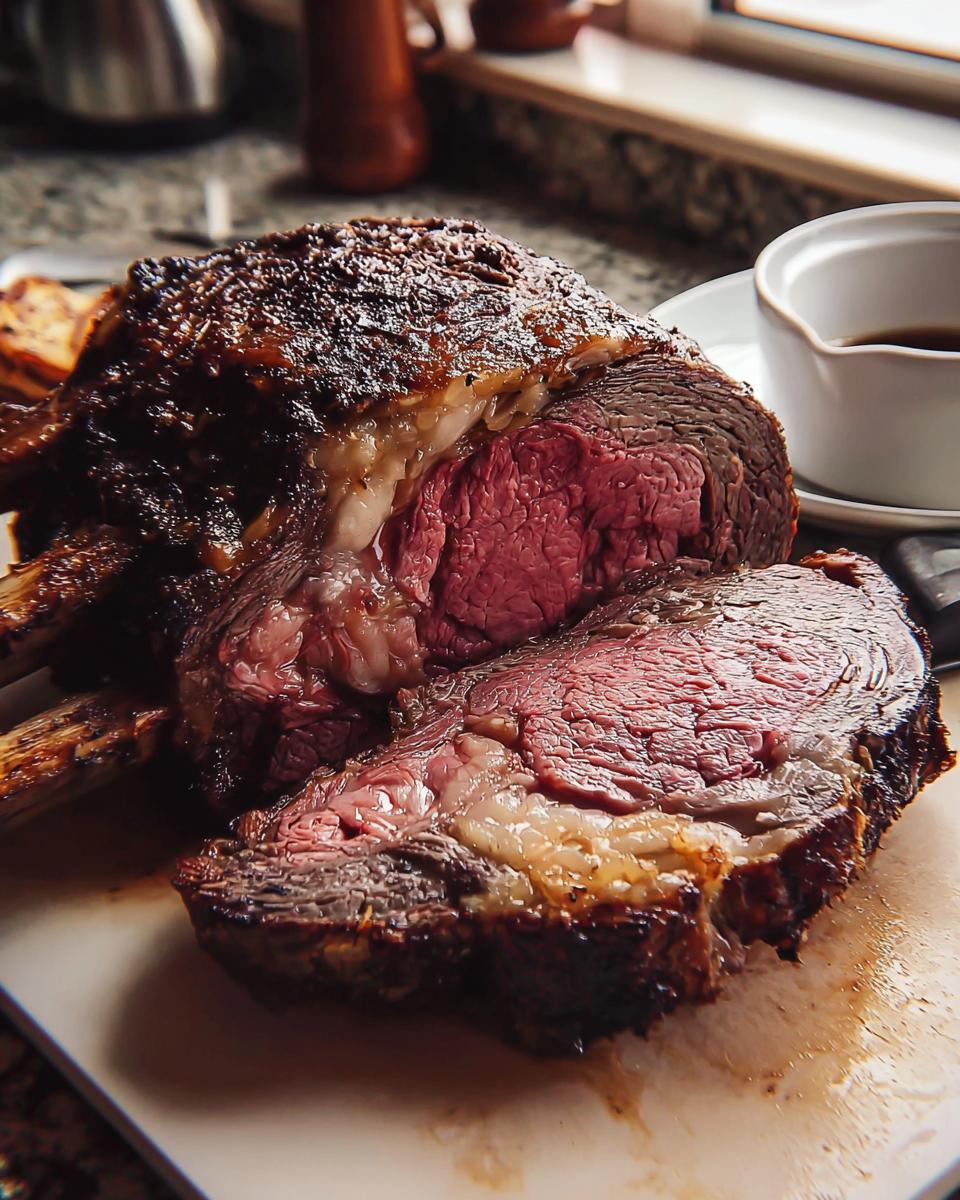
Why This Ultimate Prime Rib Guide Will Be Your New Go-To
You’re going to absolutely love this recipe, seriously!
- It’s shockingly easy to get that gorgeous, juicy roast with a perfectly crispy crust.
- You’ll wow your guests (or just yourself!) with a restaurant-worthy dish right from your own oven.
- We’ve broken down all the steps so it feels totally manageable, not intimidating.
- The flavor? Absolutely out of this world!
Essential Ingredients for Your Ultimate Prime Rib Guide
Alright, let’s talk about what you’ll need to make this incredible prime rib sing. It’s honestly simpler than you might think, letting the quality of the meat really shine!
For the Roast
- 1 standing rib roast, about 3 to 12 pounds (that’s 1.3 to 5.4 kg – bigger is better for leftovers, right?)
- Kosher salt, and please, be generous!
- Freshly ground black pepper, to taste
Mastering the Art: How to Prepare Your Prime Rib
Okay, now for the fun part – getting that gorgeous prime rib ready to become an absolute masterpiece! It’s all about a few simple steps that make a HUGE difference in the final outcome. Trust me, taking a little extra time here is totally worth it for that incredible flavor and texture we’re going for.
Bringing Your Prime Rib to Room Temperature
First things first, we need to let our roast relax! Take it out of the fridge about an hour, maybe even two for a big one, before you plan to start cooking. This helps it cook more evenly, so you don’t end up with a cold, raw center and a cooked-through outside. Just let it hang out on the counter.
The Perfect Seasoning for Your Prime Rib Roast
This is where you really build flavor! Just like Bella mentioned, making sure your roast has had a chance to air-dry in the fridge overnight can give you an amazing crust. Pat your roast super dry with paper towels – this is key! Then, go ahead and season it generously all over with kosher salt and plenty of freshly ground black pepper. Don’t be shy! Some people love adding a garlic herb rub at this stage too, but honestly, just salt and pepper lets the beef shine. If you want to level up, try salting it a day ahead and letting it rest uncovered in the fridge. It’s a little trick that makes a big difference for that perfect, savory crust. Remember to place your seasoned beauty fat-side up in your roasting pan, maybe on a rack for good air circulation.
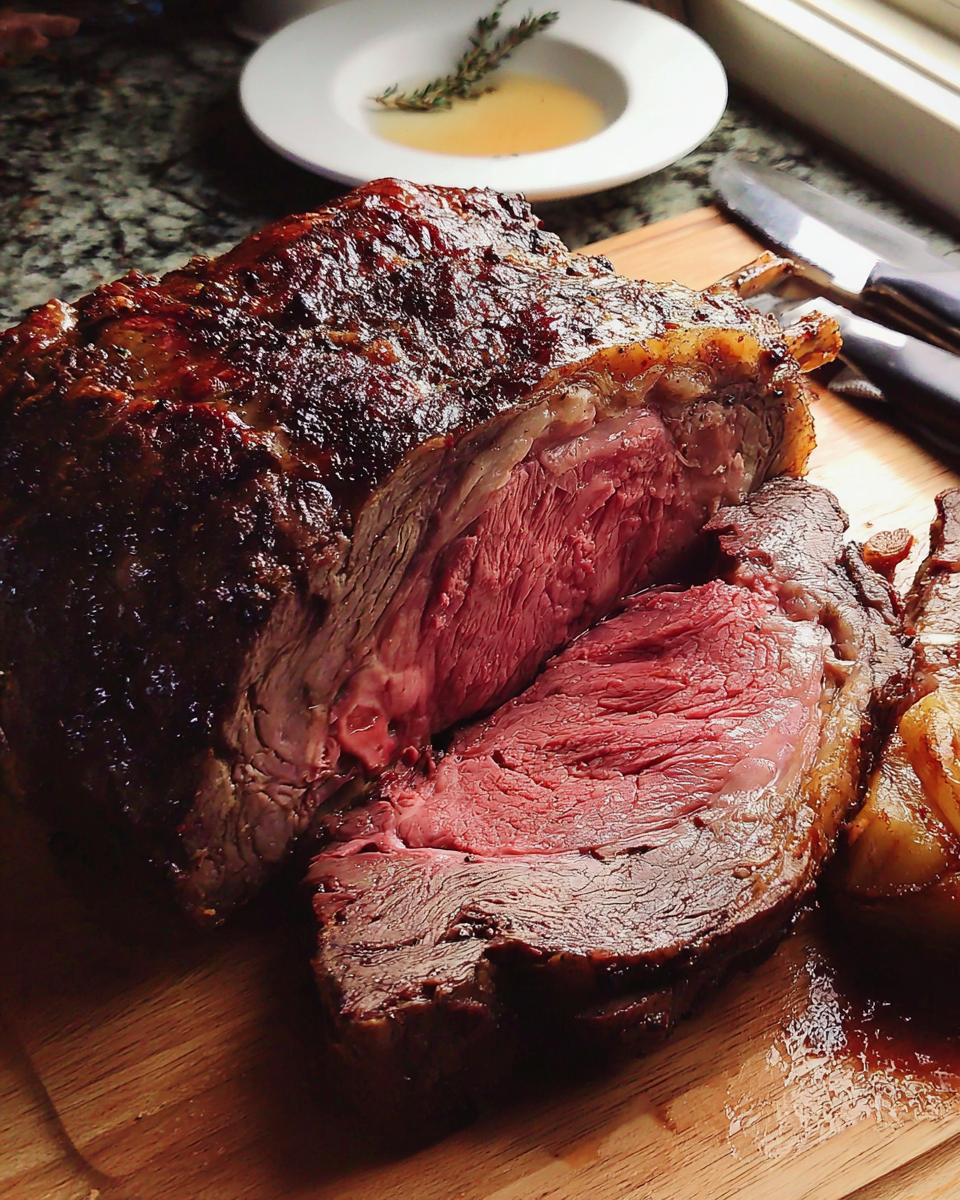
Cooking Your Ultimate Prime Rib Guide to Perfection
Alright, now that our roast is perfectly prepped and seasoned, it’s time to get it into the oven and work some magic! This is where the ‘low and slow’ method really shines, giving you the tender, juicy interior we’re all dreaming of. Don’t worry, I’ll walk you through every step of this amazing ‘Ultimate Prime Rib Guide’ so you end up with something truly spectacular.
Low and Slow Roasting for Tender Prime Rib
First up, preheat your oven to its absolute lowest setting. Seriously, we’re talking 150°F (66°C) if your oven goes that low, or the lowest possible like 250°F (121°C). Pop that seasoned prime rib onto a V-rack in your roasting pan, fat cap up, and stick it in the oven. Now, this is the patient part! We’re going to let it cook until the center hits your desired temperature. For that perfect medium-rare, you’re aiming for 120-125°F (49-52°C) on an instant-read thermometer. This will take a while – plan for about 5.5 to 6.5 hours in a 150°F oven, or around 3.5 to 4 hours if your oven is set higher at 250°F. Just let it do its thing!
The Crucial Resting Period for Your Prime Rib
Okay, this step is NON-NEGOTIABLE! Once your roast hits that magic temperature, pull it out of the oven. Tent it LOOSELY with foil – don’t wrap it tight, we don’t want it steaming! Let it rest for at least 30 minutes, but honestly, up to an hour and a half is even better. This waiting game (which we call Resting Time in the recipe) is what lets all those delicious juices redistribute throughout the meat. If you skip this, all that goodness will just run out onto your cutting board, and that’s a culinary crime!
Achieving the Perfect Sear on Your Prime Rib
Now for the grand finale! While your beauty is resting, crank your oven up to its highest heat: 500-550°F (260-288°C). We want it screaming hot! About ten minutes before you’re ready to serve, take that foil off your roast and pop it back into the super-hot oven. We’re just looking to get a gorgeous, crisp, browned crust on the outside. This usually takes just about 6 to 10 minutes. Keep an eye on it so it doesn’t burn! Once it’s got that beautiful char, it’s ready to come out, carve, and be devoured!
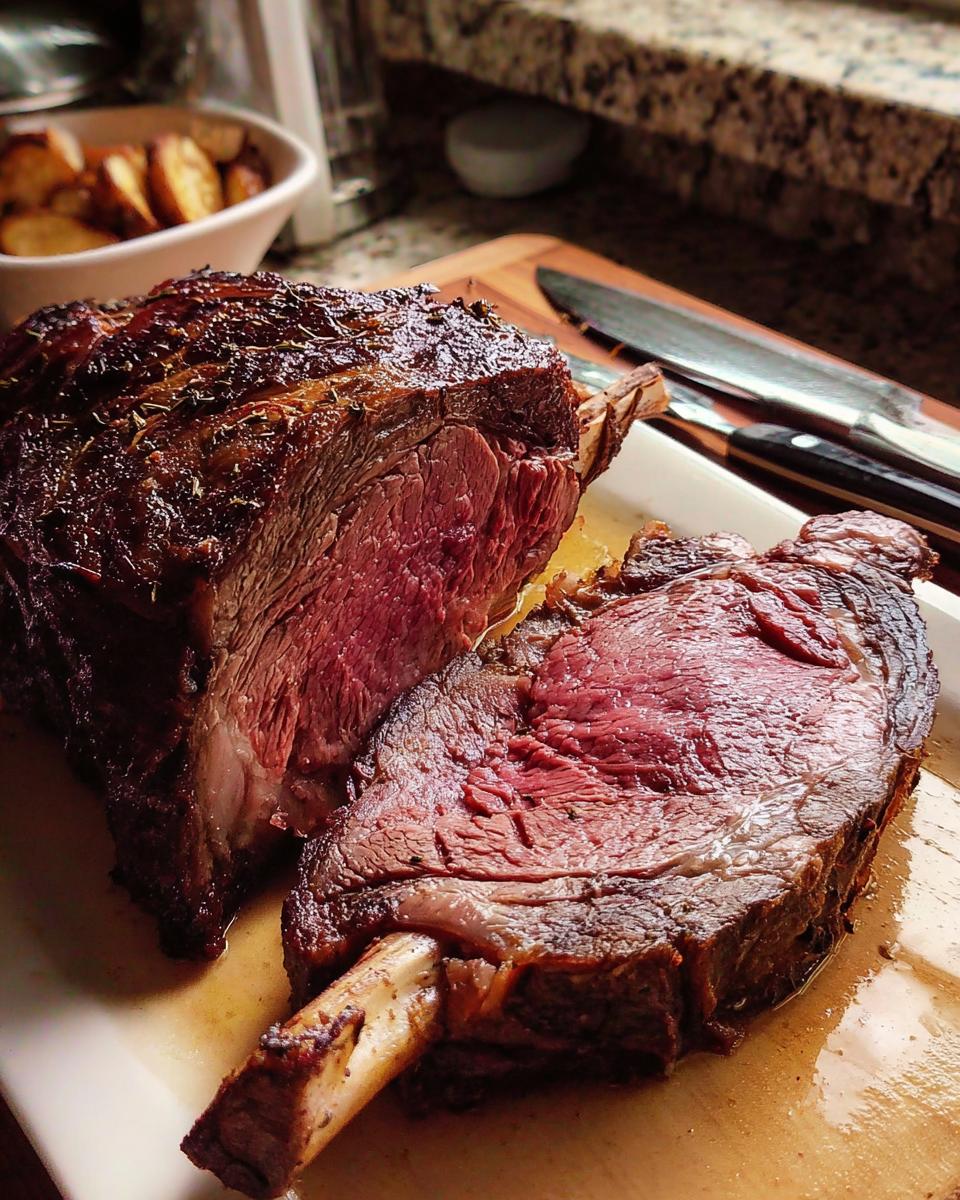
Tips for Success with Your Ultimate Prime Rib Guide
Alright, let’s make sure your prime rib rocks every single time! A few little secrets and tricks can turn a good roast into an absolutely unforgettable one. It’s all about understanding the meat and trusting the process, just like I learned that first holiday season. Follow these tips and you’ll be a prime rib pro! For example, if you’re ever unsure about roasting techniques, checking out guides on how to make chicken like a pro can give you general pointers on roasting meat.
Choosing the Best Cut for Your Prime Rib Roast
When you’re picking out your prime rib, look for good marbling – those little flecks of fat within the meat itself. That’s where all the flavor lives! Generally, a USDA Prime grade is fantastic if you can find it, but a good Choice grade works beautifully too. You want a roast that looks nicely marbled and feels firm. And remember, that fat cap on top? That’s pure gold for keeping things moist and adding flavor!
Using a Meat Thermometer for Accurate Doneness
This is seriously your best friend for prime rib success. Don’t guess! An instant-read meat thermometer is a game-changer. You want to insert it into the thickest part of the roast, avoiding any bones. For my personal favorite, medium-rare, aim for that 120-125°F (49-52°C) range *before* resting. It sounds low, but the temperature will continue to climb while it rests, bringing it up to that perfect level. Trust your thermometer – it’s the secret weapon to avoiding overcooked, dry meat!
Serving Your Prime Rib Roast
Once your magnificent prime rib has rested and is ready to be carved, the real fun begins! It’s the star of the show, of course, but a great Holiday Roast deserves some equally amazing side dishes. Think classic comfort foods that make a full Roast Dinner. Some of my favorites include creamy mashed potatoes, roasted asparagus drizzled with a little lemon, and maybe some crusty bread to sop up any leftover jus. You can also check out this comforting chicken recipe for inspiration on side dishes that complement a hearty meal!
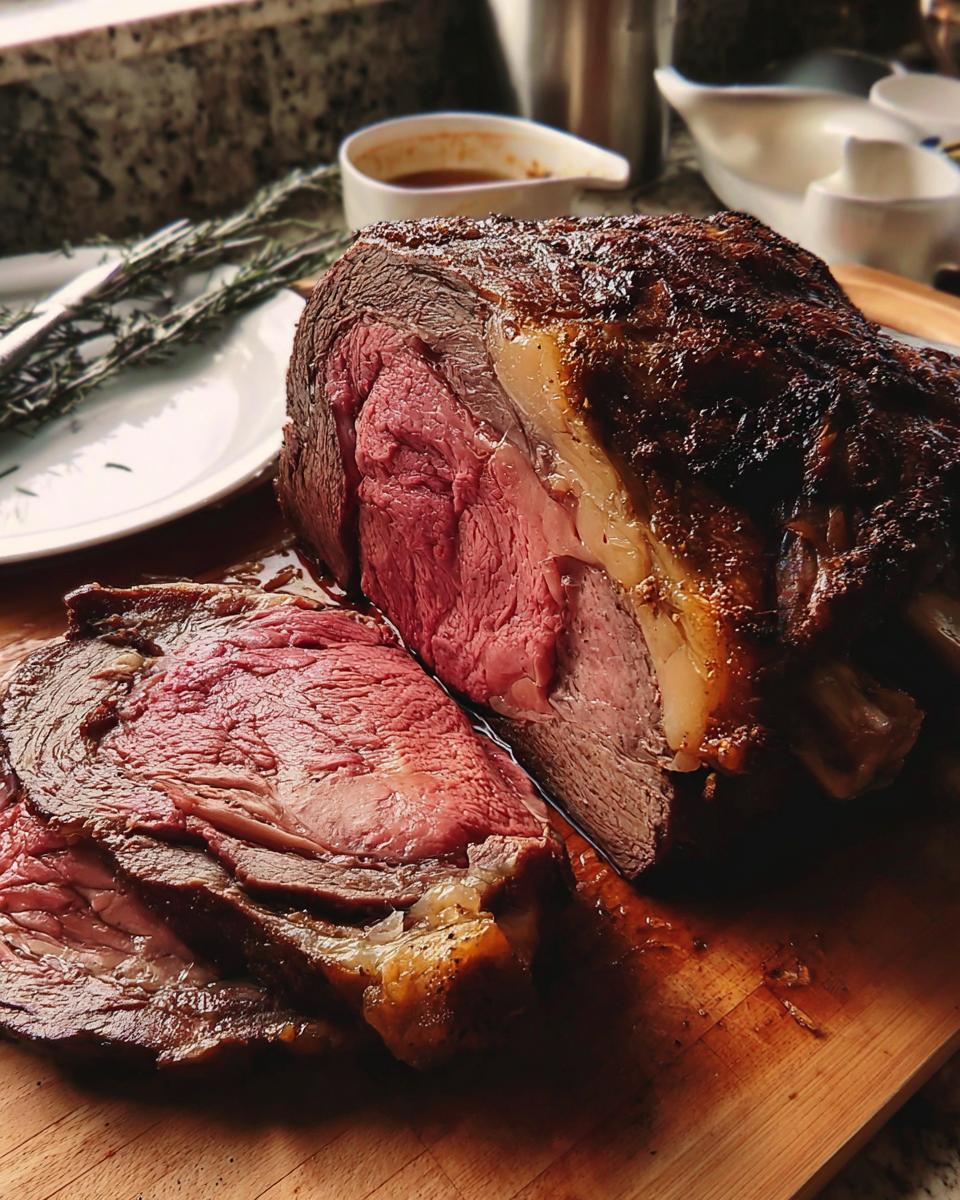
Frequently Asked Questions About Prime Rib
Got a question about making your prime rib dreams come true? I’ve got you covered! Here are some common things people ask, and my best advice to make sure your roast is absolutely perfect every time.
What is the best temperature for medium-rare prime rib?
For that perfect, juicy medium-rare prime rib, you’re aiming for an internal temperature of 130-135°F (54-57°C) on an instant-read thermometer *after* it’s rested. Remember, it will continue to cook a bit while resting!
Can I cook prime rib from frozen?
Honestly, I really don’t recommend cooking prime rib straight from frozen. It’s super hard to control the temperature evenly, and you might end up with a tough, overcooked exterior and a still-frozen middle. It’s way better to thaw it completely in the fridge first!
How do I reheat leftover prime rib?
The trick is to reheat it gently! Slice your leftovers and place them in a baking dish with just a little bit of broth or au jus. Cover it tightly with foil and warm it in a low oven, around 250-300°F (121-149°C), until it’s heated through. Don’t nuke it, or it’ll get tough!
Nutritional Information
Please keep in mind that these nutritional values are estimates and can vary quite a bit! Things like the exact size of your roast, how much fat you trim, and even the specific cut you choose will affect the final numbers. This is meant to give you a general idea per serving.
Share Your Prime Rib Success!
Okay, now that you’ve made your incredible prime rib, I’d absolutely LOVE to hear all about it! Did it turn out amazing? Did your guests rave? Please, share your triumphs, your favorite moments, or even any little tweaks you made in the comments below! You can also reach out to me directly here. Let’s celebrate your cooking wins together!
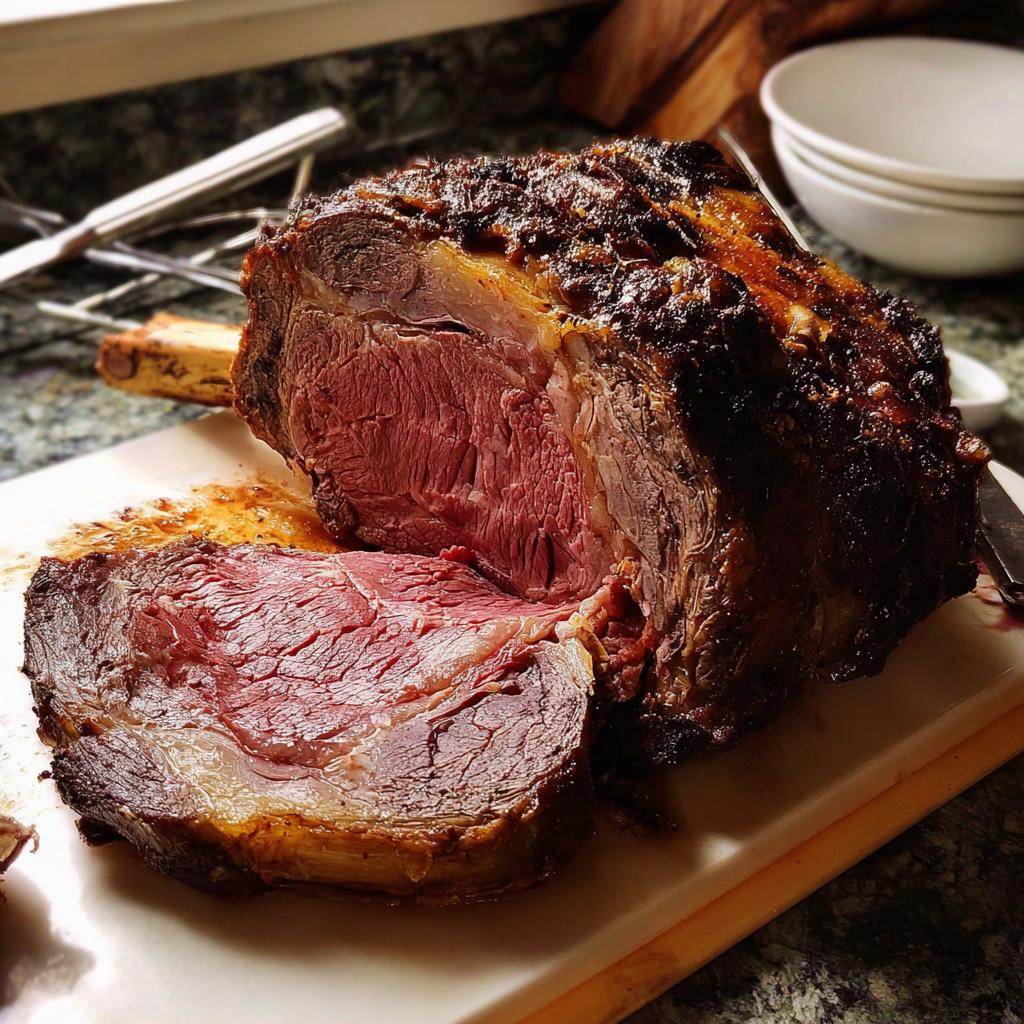
Ultimate Prime Rib Roast
Ingredients
Equipment
Method
- Preheat your oven to its lowest possible temperature setting, ideally 150°F (66°C). If your oven cannot hold this temperature, set it to the lowest setting available, such as 250°F (121°C).
- Season the prime rib generously with kosher salt and freshly ground black pepper. Place the roast, fat cap side up, on a V-rack set in a large roasting pan, or on a wire rack set in a rimmed baking sheet.
- Place the roast in the preheated oven. Cook until the center of the roast registers 120-125°F (49-52°C) for rare, 130°F (54°C) for medium-rare, or 135°F (57°C) for medium to medium-well on an instant-read thermometer. Cooking time will vary: approximately 5 1/2 to 6 1/2 hours in a 150°F oven, or 3 1/2 to 4 hours in a 250°F oven.
- Remove the roast from the oven and tent it loosely with aluminum foil. Let it rest in a warm spot for at least 30 minutes and up to 1 1/2 hours. Meanwhile, preheat your oven to its highest setting, 500 to 550°F (260 to 288°C).
- Ten minutes before you plan to serve, remove the foil from the roast. Place it back in the hot oven and cook for 6 to 10 minutes, until the exterior is well-browned and crisp. Remove from the oven, carve, and serve immediately.
Notes
Tried this recipe?
Let us know how it was!
Megan Lawrence is a seasoned Recipe Developer, culinary writer, and digital food educator dedicated to helping home cooks discover flavorful, approachable, and reliable recipes they can return to again and again. With years of experience in recipe creation, food content strategy, and cooking education, Megan has developed a trusted voice in the culinary space—known for her clear teaching style, dependable kitchen techniques, and flavorful recipes that work for real life. Today, she proudly serves as a core author at grevva.com, where she develops recipes designed to inspire confidence and creativity in every kitchen.
Megan’s culinary journey began in community kitchens and local food programs, where she worked hands-on with families to teach cooking fundamentals, meal planning, and budget-friendly recipe creation. These early years ignited her passion for food education and revealed the true mission that continues to drive her work: to make home cooking simple, joyful, and empowering, not overwhelming. Determined to reach a wider audience, she transitioned into food writing and recipe development, building a portfolio that blends practical home cooking with chef-inspired flavors.