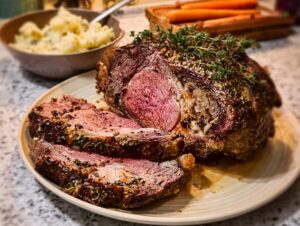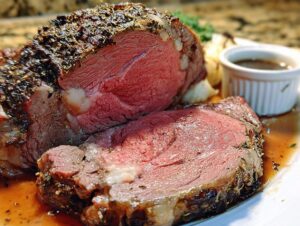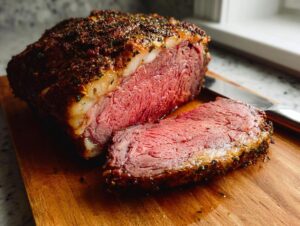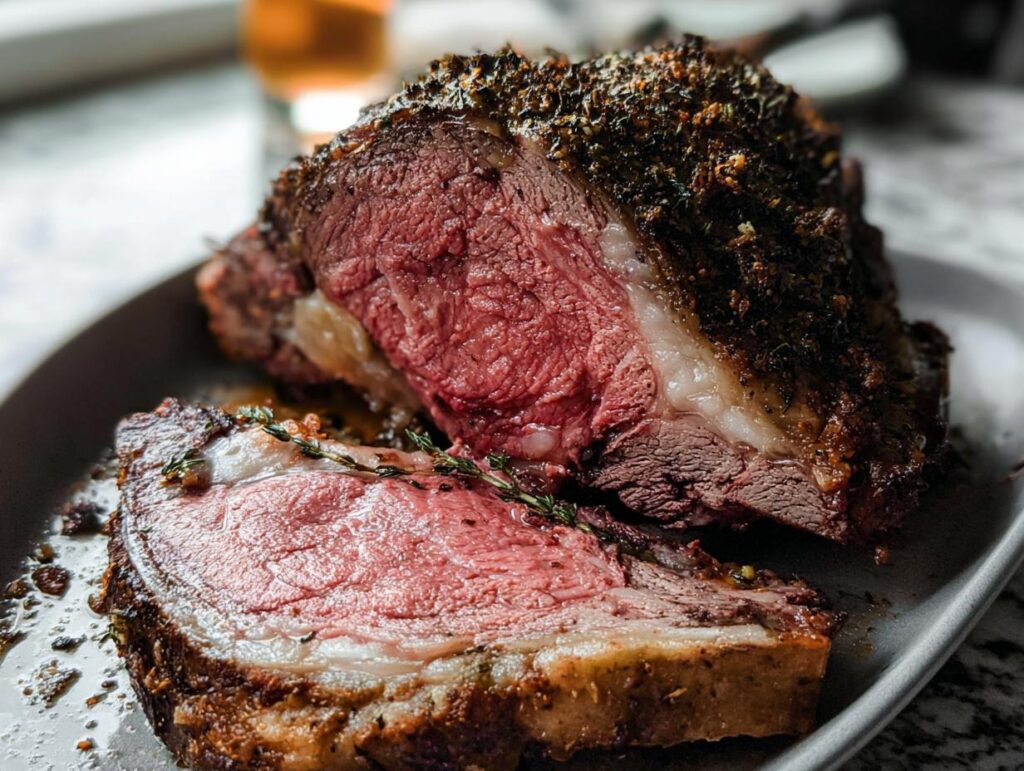
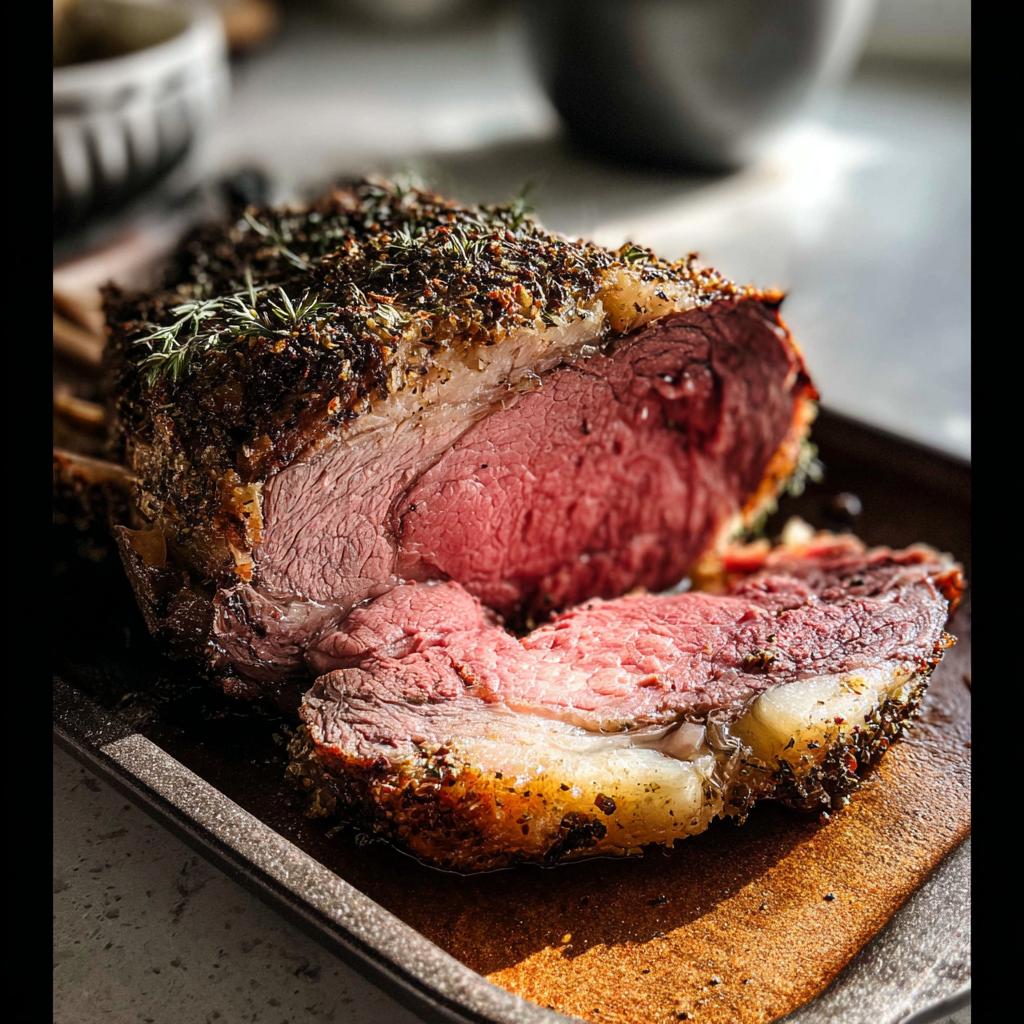
You know those show-stopping centerpieces that just scream “special occasion”? Yeah, I’m talking about prime rib. It looks so fancy, so intimidating, right? Well, I’m here to tell you that making a prime rib that looks and tastes like it came straight from a five-star restaurant is totally doable, and honestly, pretty simple once you know the secrets. Learning how to make prime rib like a pro isn’t about having a secret handshake or a million fancy gadgets; it’s really about a few key techniques and trusting the process. I still remember my own first time tackling one for the holidays—I was so nervous! My mom always made it look effortless, but doing it myself felt like a big deal. I prepped it with trembling hands, convinced I’d mess it up. But when that perfectly roasted, juicy, herb-crusted beauty came out of the oven, and my friends raved about how “restaurant-quality” it was, I felt this huge surge of accomplishment. That’s the magic I want to share with you: making that “wow” factor meal feel completely within your reach.
Why You’ll Love This Prime Rib Recipe
Honestly, why wouldn’t you love a recipe that makes you feel like a total kitchen rockstar? This prime rib is a game-changer, trust me.
- It’s surprisingly simple: Forget the fuss! You get that amazing restaurant-quality roast without needing to be a seasoned chef.
- Incredible flavor and texture: We’re talking a gorgeous, savory crust on the outside and a melt-in-your-mouth tender, juicy interior every single time.
- Perfect for any celebration: Whether it’s a holiday feast or a fancy weekend dinner, this prime rib is guaranteed to impress.
- Foolproof results: With these clear steps and temperature guides, you’ll nail that perfect medium-rare (or your preferred doneness!) without breaking a sweat.
Essential Ingredients for How To Make Prime Rib Like A Pro
Alright, let’s talk about what’s going to make this star of the show truly shine! Getting the ingredients right is half the battle, and trust me, it’s not complicated. We’re using some simple things here that pack a serious flavor punch.
Here’s what you’ll need:
- Beef Prime Rib: A gorgeous 5-pounder is what we’re aiming for. If your roast is bigger, no worries, just double up on the spices!
- Sea Salt: You’ll want enough to really season it well.
- Freshly Ground Black Pepper: About 2 teaspoons is perfect for a nice bit of zing.
- Fresh Rosemary: We’re talking 2 teaspoons, finely chopped. Fresh makes ALL the difference here.
- Fresh Thyme: About 1 teaspoon, also finely chopped, for that lovely aromatic touch.
- Garlic: 8 cloves, minced up. Get ready for that garlicky goodness to permeate everything!
- Olive Oil: Just a quarter cup to help bind all those lovely seasonings together.
- Horseradish: This is totally optional, but my favorite way to serve it alongside!
Equipment Needed for Your Prime Rib Roast
Before we even think about turning on the oven, let’s get your kitchen prepped with the right tools. Having these on hand makes the whole process so much smoother, believe me!
- A Good Roasting Pan: This is key! A sturdy roasting pan, preferably one with a rack, is your best friend for this kind of roast. It catches all those delicious drippings.
- A Reliable Meat Thermometer: Seriously, this is non-negotiable for getting that perfect medium-rare (or whatever your jam is!). Don’t guess – get a thermometer!
- Aluminum Foil: For tenting your roast after it comes out of the oven. It’s the secret to a super juicy finish.
Step-by-Step Guide: How To Make Prime Rib Like A Pro
Alright, let’s get down to business! Follow these steps and you’ll be amazed at how easy it is to create that perfect prime rib. It’s all about a few simple tricks that make a huge difference.
Bringing Your Prime Rib to Room Temperature
First things first, don’t even think about taking your roast straight from the fridge to the oven. Pull it out about an hour before you plan to cook. Let it sit on the counter, loosely covered with plastic wrap. This little step is super important – it helps the roast cook more evenly all the way through. Trust me on this one!
Preheating Your Oven for the Perfect Roast
Now, let’s get that oven ready. You want to start HOT, so crank it up to 500 degrees F. Make sure your oven rack is in the center. We use this initial blast of heat to get that amazing sear and beautiful crust on the outside. More on the temperature drop later!
Crafting the Garlic Herb Rub
While the oven heats up and the roast chills out, let’s make our flavor bomb! In a small bowl, just mix together the olive oil, minced garlic, chopped rosemary, thyme, salt, and pepper. It should smell incredible already. Using fresh herbs here really makes a difference, so aim for that if you can!
Seasoning and Placing Your Prime Rib Roast
Grab some paper towels and give your prime rib a good pat-down all over. This is another little trick that helps with that lovely crust. Now, spoon that gorgeous garlic herb rub all over the roast, making sure to get it on every side. If you have a bone-in roast, place it bone-side down in your roasting pan. For a boneless one, pop it onto a rack inside the pan. Easy peasy!
Achieving Your Desired Doneness: Temperature Guide
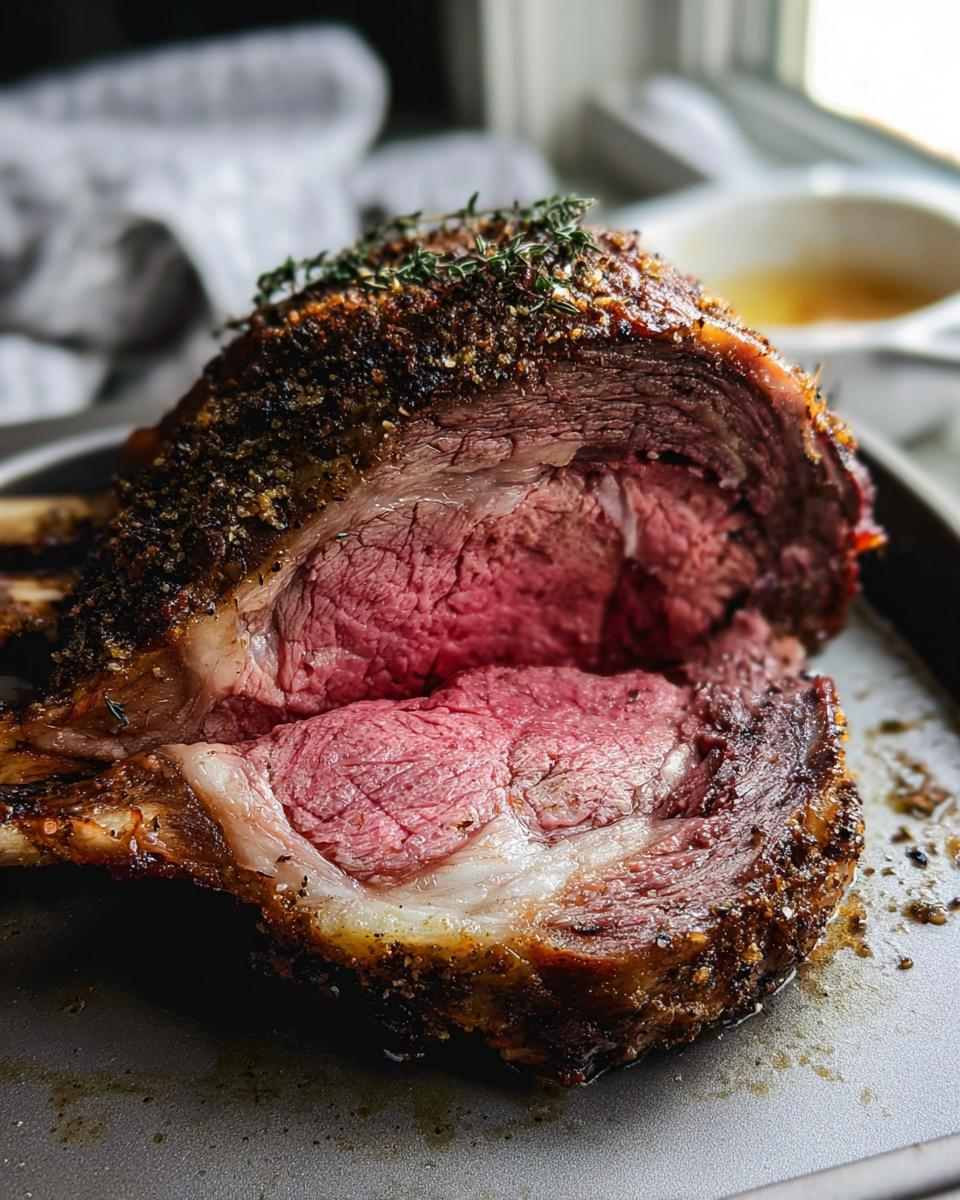
Here’s where the magic really happens! Start with that blazing 500-degree oven for just 15 minutes. Then, without opening the door if you can help it, turn the oven *down* to 325 degrees F. Now, this is where that meat thermometer is your best friend. You’ll want to cook it until it reaches your target temperature, remembering that the roast continues to cook a bit as it rests. Here are some general times as a guide:
- Rare: Aim for 120°F (about 10-12 minutes per pound).
- Medium Rare: Target 130°F (about 13-14 minutes per pound). This is my favorite!
- Medium: Go for 140°F (about 14-15 minutes per pound).
- Medium Well: Around 150°F.
Remember to pull it out about 5-10 degrees *before* it hits your final temp. That carry-over cooking is real!
The Crucial Resting Period for Prime Rib
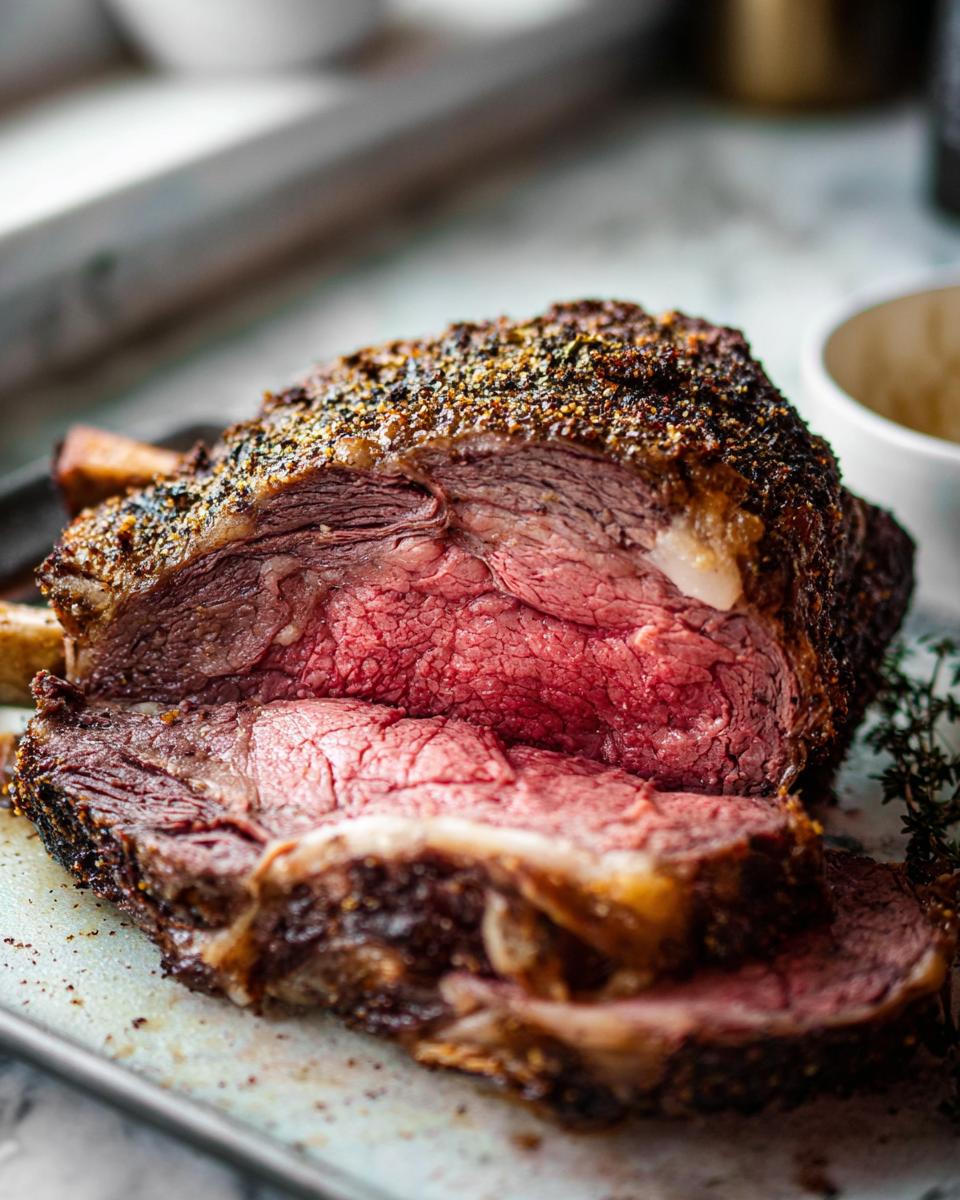
Okay, resist the urge to carve it immediately! This step is NON-NEGOTIABLE for a juicy roast. Take it out of the oven and tent it loosely with aluminum foil. Let it just chill out and rest for a good 30 minutes. This allows all those delicious juices to redistribute throughout the meat, making every slice unbelievably moist.
Carving and Serving Your Masterpiece
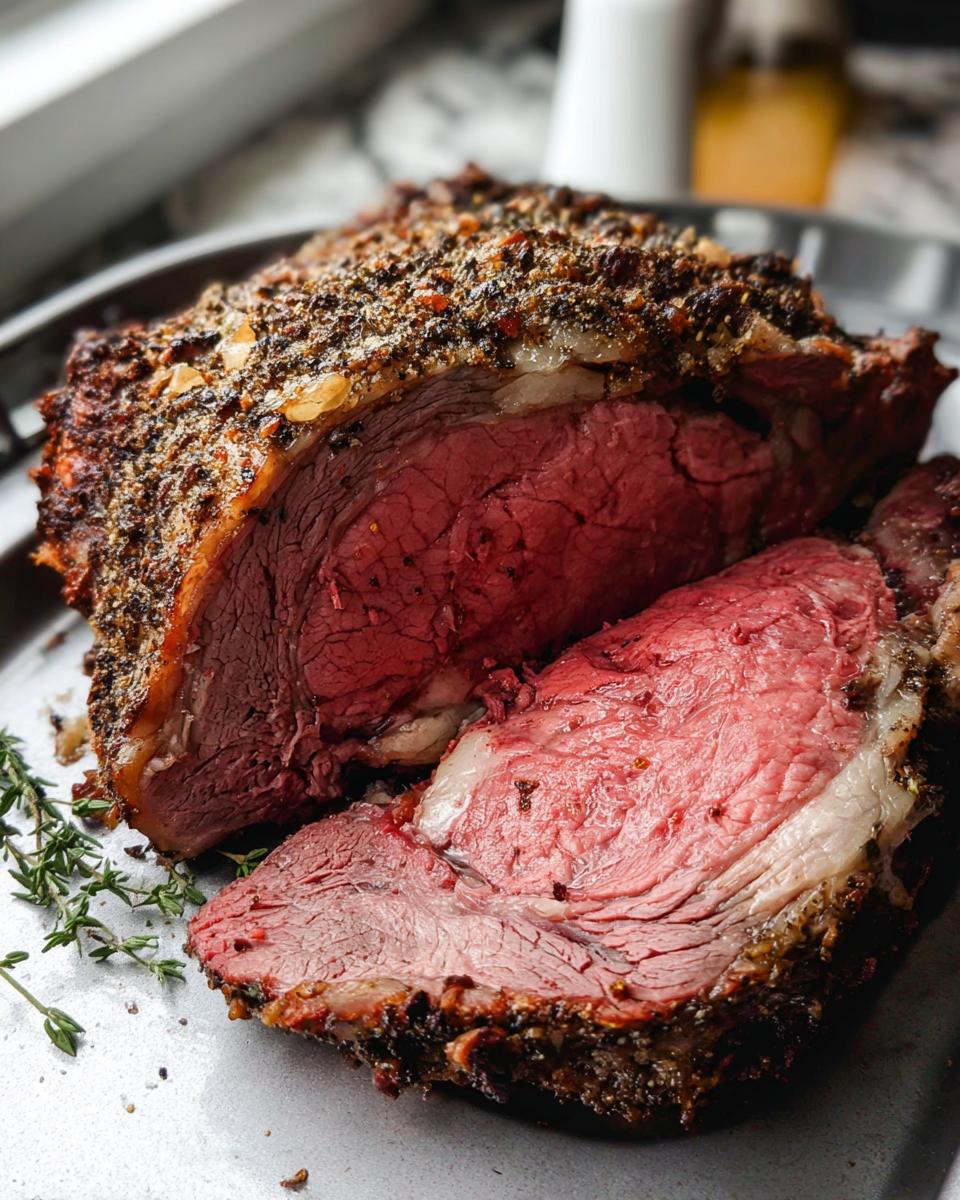
Once it’s had its well-deserved rest, it’s time to carve! You’ll want to slice it against the grain into about half-inch thick pieces. This makes it super tender and easy to eat. Serve it up with some of that optional horseradish for an extra kick, and admire your handiwork!
Tips for Prime Rib Success
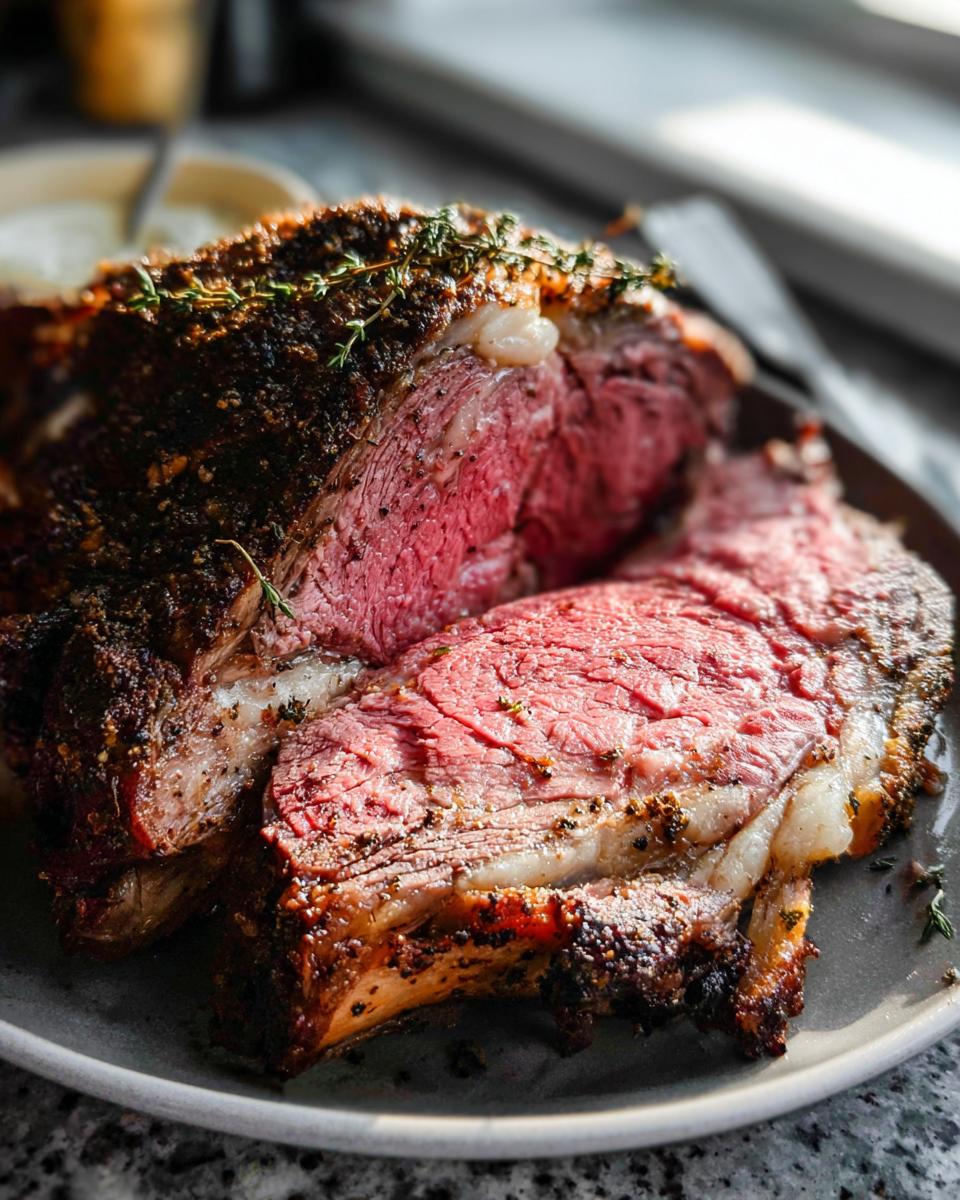
Making a truly spectacular prime rib isn’t just luck; it’s a little bit of know-how! Over my years of cooking, I’ve picked up a few tricks that really make a difference. Trust me, applying these simple tips will elevate your roast from good to absolutely unforgettable. You’ve got this!
Picking the Perfect Roast: When you’re at the butcher counter, go for a prime rib with good marbling – those little flecks of fat throughout the meat? They melt as it cooks, making everything so much more tender and flavorful. Also, look for a roast that’s evenly thick; this helps immensely with cooking times. A bone-in roast often has a bit more flavor and protects the meat from drying out too much, but boneless is totally fine too!
Know Your Oven: Ovens can be quirky! My oven tends to run a little hot, so I’ve learned to keep a close eye on the thermometer and adjust my cooking time accordingly. If you know your oven runs cool, you might need a few extra minutes. Never rely *just* on time; your meat thermometer is your best friend here for that perfect pink center.
Resist Oven Peeking: It’s *so* tempting to open the oven door every five minutes, right? Especially when you’re a bit anxious. But try to resist! Every time you open that door, you lose precious heat. That high initial temp needs to do its thing to sear the outside, and then maintaining a steady temperature is key. You’ll achieve that beautiful crust best by keeping the door closed as much as possible.
Ingredient Notes and Substitutions
Okay, let’s chat about these ingredients for a sec, because sometimes you might not have *exactly* what’s on the list, and that’s totally fine! I want this recipe to work for you, no matter what pantry you’ve got.
Salt: I always say sea salt for this. Those bigger flakes just give you a nice bit of texture and aren’t as sharp as table salt. But if you only have kosher salt or even good old table salt, just use a little less – maybe start with ¾ of the amount and taste your rub. It’ll be just great!
Fresh Herbs are Best: Seriously, fresh rosemary and thyme are where it’s at for that amazing aroma and flavor. But if you’re in a pinch, you can use dried. Just remember that dried herbs are more concentrated, so use about a third of the amount – maybe 2/3 teaspoon dried rosemary and 1/3 teaspoon dried thyme. Rub them between your fingers before adding them to the oil mix; it helps wake them up!
Olive Oil: Any good quality olive oil will work fine. If you don’t have olive oil, a neutral oil like canola or vegetable oil works too, it just won’t add quite the same subtle fruity note. And no, you don’t need fancy extra virgin for this; just your everyday stuff is perfect.
Frequently Asked Questions About How To Make Prime Rib Like A Pro
You’ve got questions, and I’ve got answers! Making a prime rib can feel a little daunting, but once you get the hang of it, you’ll see it’s totally manageable. Here are some common things people ask, so you can feel extra confident. And hey, if you’re looking for other roast ideas, check out some of my gluten-free dinner favorites!
What is the best oven temperature for prime rib?
For that perfect crust and juicy center, we use a two-temperature method! Start HOT at 500°F for about 15 minutes to get a beautiful sear, then immediately drop it down to 325°F to gently finish cooking the inside. This high-heat start is a little secret weapon!
How do I know when my prime rib is done?
The absolute best way is to use a meat thermometer inserted into the thickest part of the roast, avoiding the bone. You’re looking for around 120°F for rare, 130°F for medium-rare (my fave!), and 140°F for medium. Remember, it will continue to cook for a bit after you take it out!
Can I cook a boneless prime rib using this method?
Absolutely! This recipe works beautifully for both bone-in and boneless prime rib. Just know that boneless roasts might cook a tad faster because there’s no bone to insulate them. Always rely on your meat thermometer to tell you when it’s ready instead of just timing.
Serving Suggestions for Your Holiday Roast
Now that you’ve mastered the prime rib itself, let’s think about your plate! A gorgeous roast like this deserves all the delicious fixings. I love pairing it with some simple roasted root vegetables – think carrots, parsnips, and potatoes tossed with olive oil and herbs. Creamy mashed potatoes are a classic for a reason, or maybe a bright, crisp salad to cut through the richness. Loads of tasty options for a complete feast, and you can find more ideas for your dinner table here!
Storage and Reheating Instructions
So, you’ve got some delicious prime rib leftovers? Lucky you! Properly storing and reheating this beauty is key to enjoying it again. First off, let it cool down a bit before you tuck it away. Then, wrap it up TIGHTLY in plastic wrap or foil, or better yet, pop it into an airtight container. It should keep nicely in the fridge for about 3-4 days.
When you’re ready for round two, slow and steady wins the race. The best way to reheat prime rib is gently in the oven. Pop those slices into a baking dish with a splash of beef broth or even just water (about a tablespoon or two per pound). Tent it with foil and warm it up in a 300-350°F oven until it’s just heated through. We’re talking maybe 15-20 minutes. Avoid the microwave if you can; it can make the meat a little tough. Gently reheating preserves all that juicy goodness!
Estimated Nutritional Information
Now, let’s talk about what’s going into your belly! Since prime rib is a special treat, we usually don’t worry *too* much about the nutrition, but it’s good to have an idea. Keep in mind these numbers ping you are just estimates, okay? They can change based on exactly how marbled your roast is, how much oil you use, and, of course, how big of a slice you cut. But for a typical serving (assuming about 1/8th of a 5-pound roast), you’re looking at roughly:
- Calories: Around 500-600 per serving
- Protein: A hearty 35-45 grams
- Fat: Likely 40-50 grams (this is where that incredible flavor comes from!)
- Carbohydrates: Very low, just a couple of grams, mostly from the herbs and spices.
Again, these are just ballpark figures, but they give you a good idea that this is a rich, protein-packed meal!
Share Your Prime Rib Success!
So, did you do it? Did you make a prime rib that wowed everyone at your table? I would absolutely ADORE to hear all about it! Please, spill the details in the comments below. Tell me how it turned out, if you tried any special twists, or even if you have any burning questions. You can also reach out to me directly through my contact page. Your successes – and your questions! – help make this space better for everyone. Happy cooking!
Prime Rib Roast
Ingredients
Equipment
Method
- Remove the prime rib from the refrigerator one hour before cooking. Season it on all sides with salt and cover it loosely with plastic wrap as it comes to room temperature. Prime rib roast will cook better and more evenly when it’s at room temperature.
- When you are ready to cook the prime rib, lower/adjust your oven rack so the meat will cook in the center of the oven. Preheat the oven to 500 degrees F.
- In the meantime, mix together 1 ½ teaspoons salt, pepper, rosemary, thyme, garlic, and olive oil.
- Pat the roast with paper towels. Spoon seasoning over it, rubbing it onto all sides. Place bone-in roast with the bones down, inside a roasting cast iron pan. Place a boneless roast on a rack inside the pan.
- Bake prime rib at 500 degrees for 15 minutes, then reduce the oven temperature to 325 degrees and continue baking until desired level of doneness. Use a meat thermometer to check the temperature of the meat. Rare: 120 degrees F (about 10-12 min/pound). Medium Rare: 130 degrees F (about 13-14 min/pound). Medium: 140 degrees F (about 14-15 min/pound). Medium Well: 150 degrees F. The meat will continue to cook as it rests out of the oven so remove it from the oven 5-10 degrees before it reaches your optimal temperature.
- Remove it from the oven and tent it with foil. Allow it to rest for 30 minutes before carving.
- Carve prime rib roast by slicing against the grain into about ½ inch thick slices. Serve with horseradish, if desired.
Notes
Tried this recipe?
Let us know how it was!
Bella Simmons is an accomplished culinary content creator who specializes in transforming classic comfort dishes into fresh, approachable recipes for the modern home cook. Known for her warm teaching voice, dependable techniques, and flavor-forward approach, Bella has become a trusted resource for readers who want meals that are both memorable and manageable. Her mission is simple: to help home cooks feel confident, inspired, and excited every time they step into the kitchen.
Bella’s career began in local bakeries and small café kitchens, where she developed a deep appreciation for homemade food and the emotional connection people share with recipes passed down through generations. After honing her craft in pastry work and savory cooking, she transitioned into food media and recipe writing, eager to reach more cooks than she ever could from behind a bakery counter. Her early success writing for digital food platforms and community cookbooks opened the door to larger opportunities, allowing her to merge her passion for storytelling with her culinary expertise.
Over the years, Bella has collaborated with food brands, kitchenware companies, and cooking educators to develop trusted recipes, step-by-step tutorials, and educational culinary resources. Her work has been shared across online cooking communities and featured in recipe roundups for its clarity, creativity, and consistently delicious results. Bella is especially known for her approachable technique breakdowns—helping readers understand why a recipe works, not just how to make it.